
Back to ResourcesDermatology Venereology & Leprosy
What Are Biologics?
Health education · AI-assisted
Dr. Y. Venkatesh•October 21, 2026•4 views
Biologics in Dermatology: An In-Depth Guide
Biologics are a significant advancement in dermatological treatments, offering new hope for patients with chronic skin conditions. This comprehensive guide explores biologics, their uses, benefits, and considerations for patients.
Biologics are medications derived from living organisms. Unlike traditional drugs, which are chemically synthesized, biologics are produced using biotechnology. They are designed to target specific components of the immune system, making them highly effective in treating autoimmune skin disorders.
Why Are Biologics Used?
Biologics are primarily used to manage chronic skin conditions such as psoriasis, eczema, and certain types of dermatitis. These conditions often involve an overactive immune response, leading to inflammation and skin damage. By specifically targeting the immune pathways involved, biologics can reduce symptoms and improve quality of life.
When Are Biologics Recommended?
Biologics are typically recommended for patients who have not responded well to conventional treatments such as topical creams, oral medications, or phototherapy. They are considered for moderate to severe cases where the condition significantly impacts daily activities.
When Are Biologics Not Appropriate?
Biologics may not be suitable for everyone. Patients with a history of severe infections, certain types of cancer, or those with compromised immune systems might need alternative treatments. A thorough evaluation by a dermatologist is essential to determine suitability.
How Do Biologics Work?
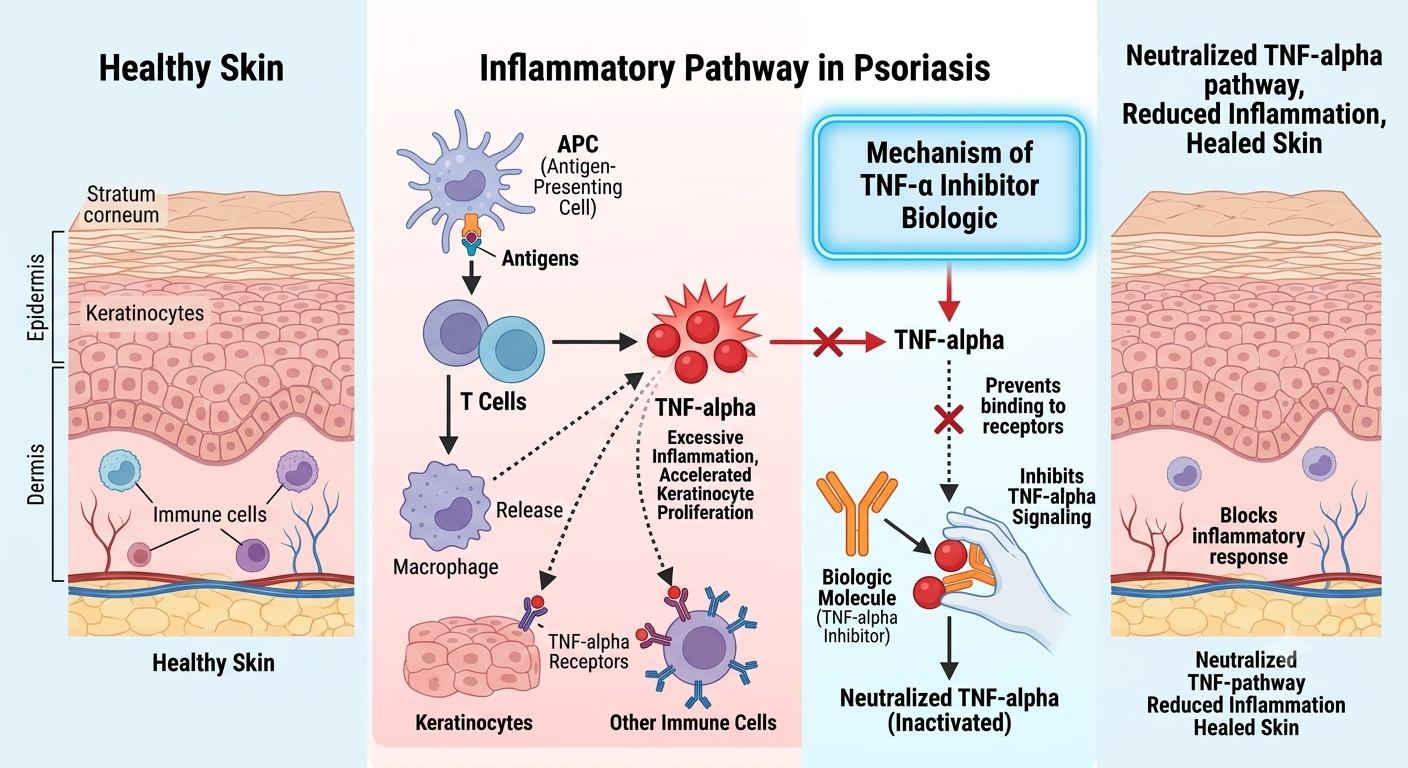
Biologics work by interfering with specific molecules involved in the immune response. For example, in psoriasis, biologics may target proteins like TNF-alpha or interleukins that contribute to inflammation. By blocking these pathways, biologics help control the disease process.
What Happens During Biologic Treatment?
Biologic treatments are usually administered subcutaneously via injection or intravenous infusion. The frequency of administration varies depending on the specific biologic and the condition being treated. Regular follow-ups with a healthcare provider are crucial to monitor effectiveness and adjust dosages as needed.
Preparation for Biologic Therapy
Before starting biologics, patients undergo a comprehensive health assessment, including blood tests and screening for infections. This ensures that the treatment is safe and appropriate. Patients are also educated about potential side effects and the importance of adherence to the treatment schedule.
Risks and Complications
While biologics are generally well-tolerated, they can have side effects, including increased risk of infections, allergic reactions, and injection site reactions. Long-term use may require monitoring for potential complications such as liver or kidney issues.
What to Expect After Starting Biologics
Patients may begin to see improvements in symptoms within weeks of starting biologics. However, it may take several months to achieve optimal results. Regular consultations help track progress and manage any emerging side effects.
Outcomes of Biologic Treatment
Biologics have been shown to significantly improve symptoms and quality of life for many patients with chronic skin conditions. However, individual responses vary, and ongoing management is often necessary to maintain benefits.
Alternatives to Biologics
For patients unable to use biologics, alternatives include traditional systemic medications, phototherapy, and lifestyle modifications. A dermatologist can help explore these options and develop a personalized treatment plan.
About Dr. Y. Venkatesh
Dr. Y. Venkatesh, a Consultant Clinical & Aesthetic Dermatologist, specializes in treating complex skin conditions, including psoriasis and eczema. With a focus on patient education and personalized care, Dr. Venkatesh provides comprehensive dermatological services at DR. YV SKIN, HAIR & LASER CLINIC in Hyderabad.
Consultation and Next Steps
If you are considering biologic therapy, consult with a specialist to discuss your options and determine the best course of action for your skin condition.
1. What are biologics made from?
Biologics are derived from living organisms and are produced using biotechnology to target specific immune system components.
2. How long does it take for biologics to work?
The effects of biologics can be seen within weeks, but it may take several months to achieve optimal results.
3. Are biologics safe for long-term use?
Biologics are generally safe for long-term use under medical supervision, but regular monitoring is essential to manage any potential side effects.
4. Can biologics cure my skin condition?
Biologics can significantly improve symptoms and quality of life, but they are not considered a cure. Ongoing management is often necessary.
5. What should I do if I experience side effects from biologics?
If you experience side effects, contact your healthcare provider immediately to discuss potential adjustments to your treatment plan.
Visit DR. YV SKIN, HAIR & LASER CLINIC.
WhatsApp: 8886788213
Email: info.dryvskinclinic@gmail.com