
Back to ResourcesDermatology
Understanding Acne: Causes, Symptoms, and Treatment Options
Health education · AI-assisted
Dr. Y. Venkatesh•October 21, 2026•2 views
What is Acne?
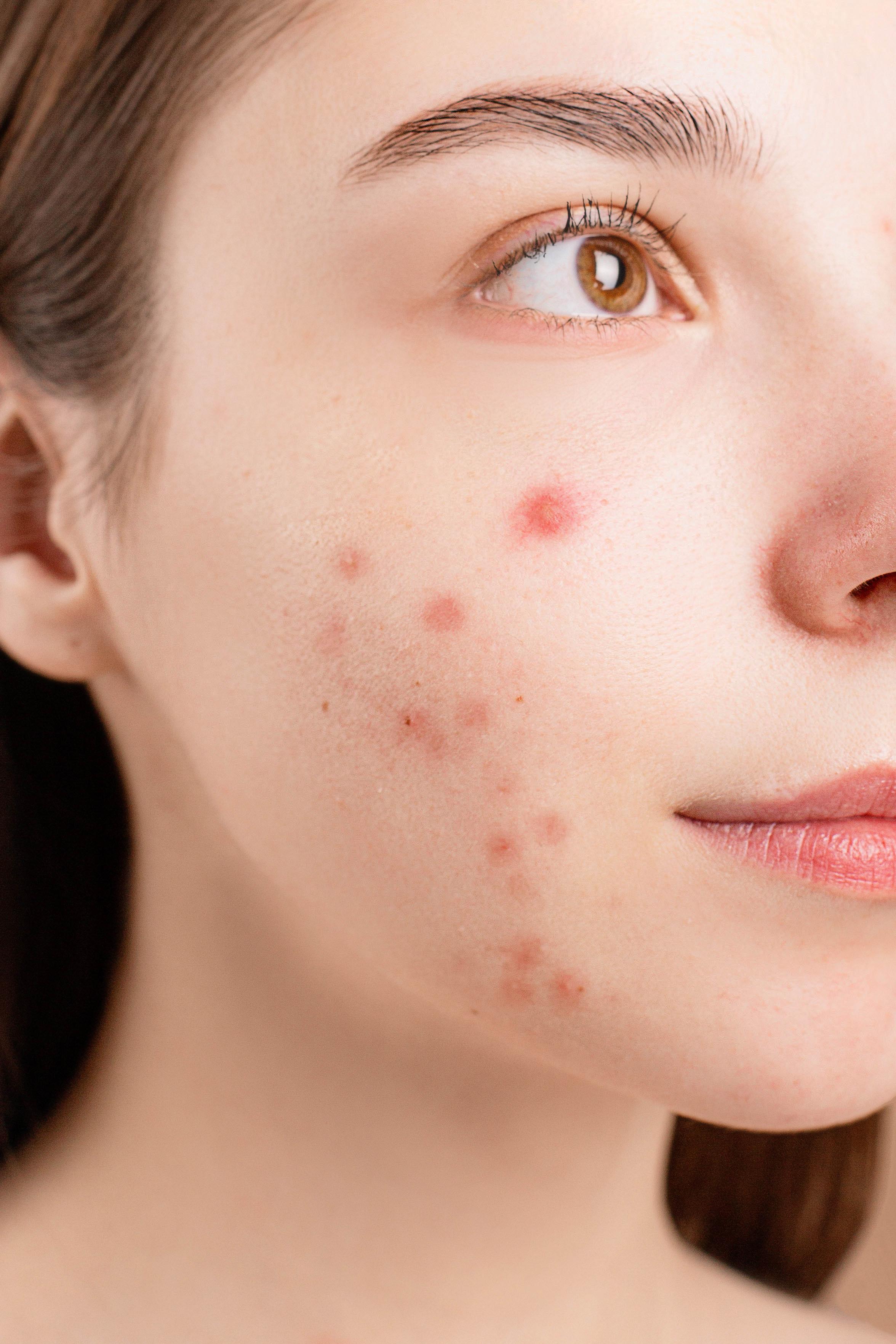
Acne is a common skin condition that occurs when hair follicles become clogged with oil and dead skin cells. It is most prevalent among teenagers, though it can affect individuals of all ages. The condition typically manifests as pimples, blackheads, or nodules on the face, forehead, chest, upper back, and shoulders. Acne can vary in severity, and while it is not a serious health threat, it can cause emotional distress and lead to skin scarring.
Causes of Acne
The primary causes of acne include excess oil production, clogged hair follicles, bacteria, and inflammation. Hormonal changes, such as those during puberty or pregnancy, can trigger or worsen acne by increasing oil production. Other factors such as diet, stress, and certain medications may also contribute to the development of acne. Genetics can play a role, as acne tends to run in families.
Symptoms of Acne
Acne symptoms vary depending on the severity of the condition. Common signs include whiteheads, blackheads, small red, tender bumps, pimples with pus at the tips, and large, solid, painful lumps beneath the skin. Acne can also cause cystic lesions, which are painful, pus-filled lumps. The affected areas of the skin may be sensitive or warm to the touch.
When to See a Doctor
While mild acne can often be managed with over-the-counter treatments, it is advisable to consult a dermatologist if acne becomes persistent, severe, or causes significant discomfort. A doctor can provide a comprehensive evaluation and recommend appropriate treatments to prevent scarring and manage symptoms effectively. Early intervention is crucial in minimizing the long-term impact of acne on the skin.
Diagnosis of Acne
Diagnosing acne typically involves a physical examination of the skin by a dermatologist. The doctor will assess the type and severity of the acne to determine the most effective treatment plan. In some cases, additional tests might be conducted to rule out other skin conditions or to understand the underlying causes better, such as hormonal imbalances.
Treatment Options for Acne
Treatment for acne depends on its severity and type. Common treatments include topical and oral medications that reduce oil production, fight bacterial infection, and decrease inflammation. Options such as topical retinoids, antibiotics, and hormonal treatments are often used. In more severe cases, procedures like chemical peels, laser therapy, and drainage techniques may be recommended by a dermatologist.
Prevention and Aftercare
Preventing acne involves maintaining a regular skincare routine that includes gentle cleansing, using non-comedogenic products, and avoiding excessive touching of the face. It is also beneficial to manage stress and maintain a balanced diet. Aftercare focuses on following the prescribed treatment plan and protecting the skin from excessive sun exposure, which can exacerbate acne.
FAQs: Clear Answers for Patients
Q1.What causes acne?
Acne is primarily caused by clogged hair follicles, excess oil production, bacteria, and inflammation. Hormonal changes can also contribute.
Q2.How is acne diagnosed?
A dermatologist diagnoses acne through a physical examination of the skin, assessing the type and severity to guide treatment options.
Q3.What are common treatments for acne?
Treatments include topical and oral medications, such as retinoids and antibiotics, and procedures like chemical peels and laser therapy.
Q4.Can acne be prevented?
While not all acne can be prevented, maintaining a skincare routine, using non-comedogenic products, and managing stress can help reduce outbreaks.
Q5.When should I see a doctor for acne?
Consult a dermatologist if acne is persistent, severe, or causing emotional distress to explore effective treatment options.