
Back to ResourcesDermatology Venereology & Leprosy
Topical & Oral Treatments: Understanding Their Role in Dermatology
Health education · AI-assisted
Dr. Y. Venkatesh•October 22, 2026•9 views
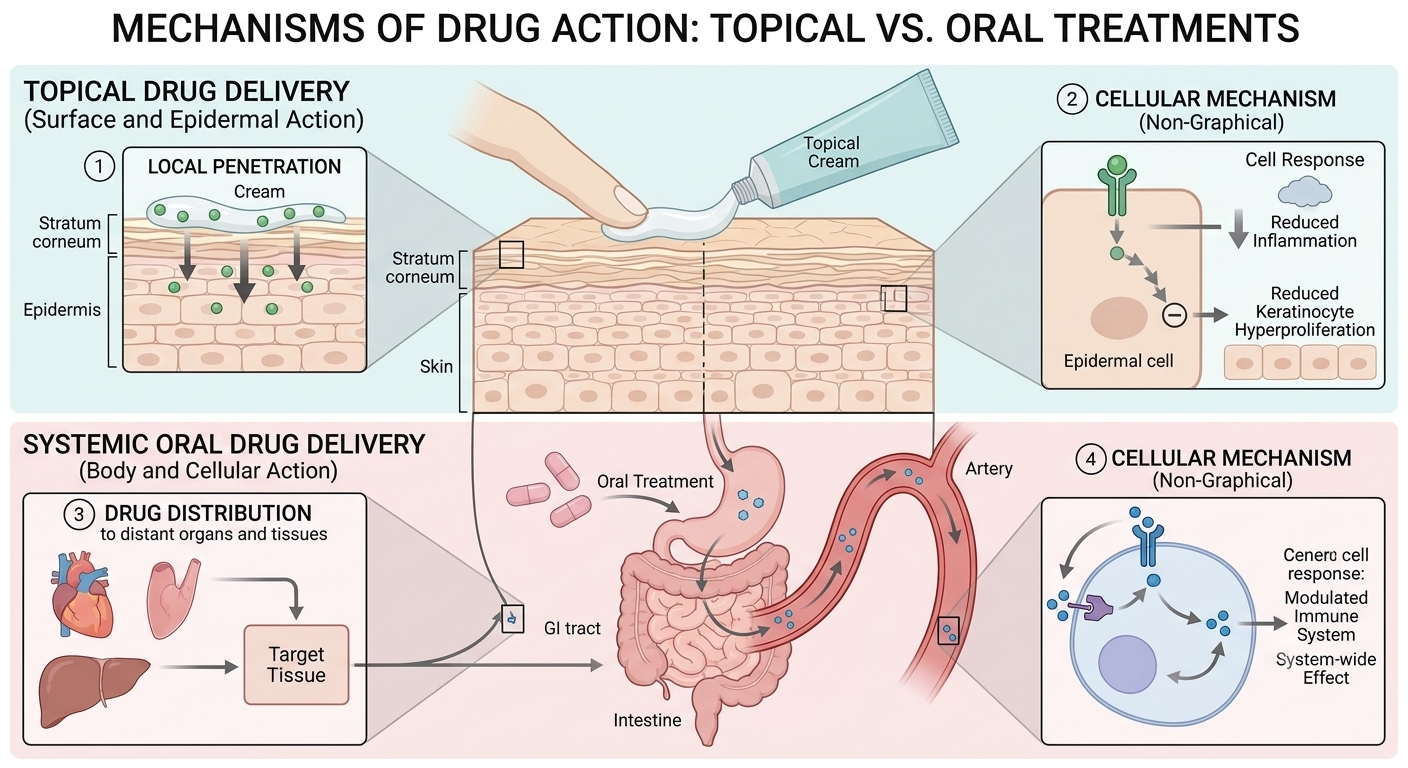
Topical and oral treatments play a crucial role in managing various skin conditions. These treatments are designed to address issues from the outside and the inside, providing a comprehensive approach to skincare.
What Are Topical & Oral Treatments?
Topical treatments are medications applied directly to the skin. They come in various forms, such as creams, ointments, gels, and lotions. Oral treatments, on the other hand, are medications taken by mouth to treat skin conditions from within.
Why Are They Used?
Topical and oral treatments are used for a variety of reasons:
- Topical Treatments: These are often used for localized skin conditions. They deliver medication directly to the affected area, minimizing systemic side effects.
- Oral Treatments: These are used when a condition is widespread or when topical treatments alone are insufficient. They work systemically to address underlying causes.
When Are They Recommended?
These treatments are recommended based on the specific skin condition, its severity, and the patient's overall health. Conditions such as acne, psoriasis, eczema, and fungal infections often require a combination of both topical and oral treatments for effective management.
When Are They Not Appropriate?
Topical and oral treatments may not be suitable for everyone. Individuals with allergies to certain medications or those with certain health conditions may need alternative treatments. It's essential to consult a dermatologist to determine the best approach.
How Do They Work?
- Topical Treatments: Work by delivering active ingredients directly to the skin, where they can reduce inflammation, kill bacteria, or unclog pores.
- Oral Treatments: Work systemically, affecting the entire body. They can reduce inflammation, alter immune responses, or target specific pathogens.
What Happens During Treatment?
During treatment, patients may experience changes in their skin condition. It is crucial to follow the dermatologist's instructions and attend follow-up appointments to monitor progress and make necessary adjustments.
Preparation for Treatment
Before starting any treatment, a thorough evaluation by a dermatologist is necessary. This includes discussing medical history, current medications, and any allergies to ensure the chosen treatment is safe and effective.
Risks & Complications
Like all medical treatments, topical and oral treatments come with potential risks and side effects. These can range from mild skin irritation to more severe systemic effects in oral medications. Close monitoring and communication with a healthcare provider can help manage these risks.
What to Expect After Treatment
After starting treatment, improvements in the skin condition may be gradual. Consistent use as prescribed is essential for achieving the best results. Patients should report any side effects to their dermatologist promptly.
Outcomes of Treatment
Successful treatment can lead to significant improvements in skin condition, enhancing quality of life. However, results vary depending on the individual's response to treatment and adherence to the prescribed regimen.
Alternatives to Topical & Oral Treatments
In some cases, alternative treatments such as laser therapy, phototherapy, or biologics may be recommended. These options are typically considered when conventional treatments are ineffective or unsuitable.
About Dr. Y. Venkatesh
Dr. Y. Venkatesh is a Consultant Clinical & Aesthetic Dermatologist with expertise in managing various skin conditions through personalized treatment plans. His approach emphasizes patient education and evidence-based care.
Consultation and Next Steps
For those experiencing persistent skin issues, consulting with a specialist like Dr. Y. Venkatesh can provide clarity and direction. Book an appointment to discuss potential treatment options tailored to your needs.
1. What conditions can topical treatments address?
Topical treatments are effective for conditions like acne, eczema, and psoriasis.
2. Are there side effects to oral treatments?
Yes, oral treatments can have side effects, which vary depending on the medication. It's important to discuss these with your dermatologist.
3. How long does it take to see results?
Results can vary, but patients often see improvements within a few weeks of consistent treatment.
4. Can I use over-the-counter topical treatments?
Some over-the-counter treatments can be effective for mild conditions, but it's best to consult a dermatologist for persistent or severe issues.
5. What should I do if I experience side effects?
Contact your dermatologist immediately if you experience any concerning side effects. They can adjust your treatment plan as needed.
Visit Dr. Yv Skin, Hair & Laser Clinic
WhatsApp: 8886788213
Email: info.dryvskinclinic@gmail.com
Ready to book an appointment?
Consult with Dr. Y. Venkatesh.
Book an appointment