
Back to ResourcesDermatology Venereology & Leprosy
Topical & Oral Antifungal Treatment: Comprehensive Guide
Health education · AI-assisted
Dr. Y. Venkatesh•October 23, 2026•7 views
Introduction
Antifungal treatments, both topical and oral, play a crucial role in managing fungal infections of the skin. These treatments are designed to target and eliminate the fungi responsible for various skin conditions, thereby alleviating symptoms and preventing recurrence. This article provides an in-depth look at topical and oral antifungal treatments, their uses, and what patients can expect during the treatment process.
What is Topical & Oral Antifungal Treatment?
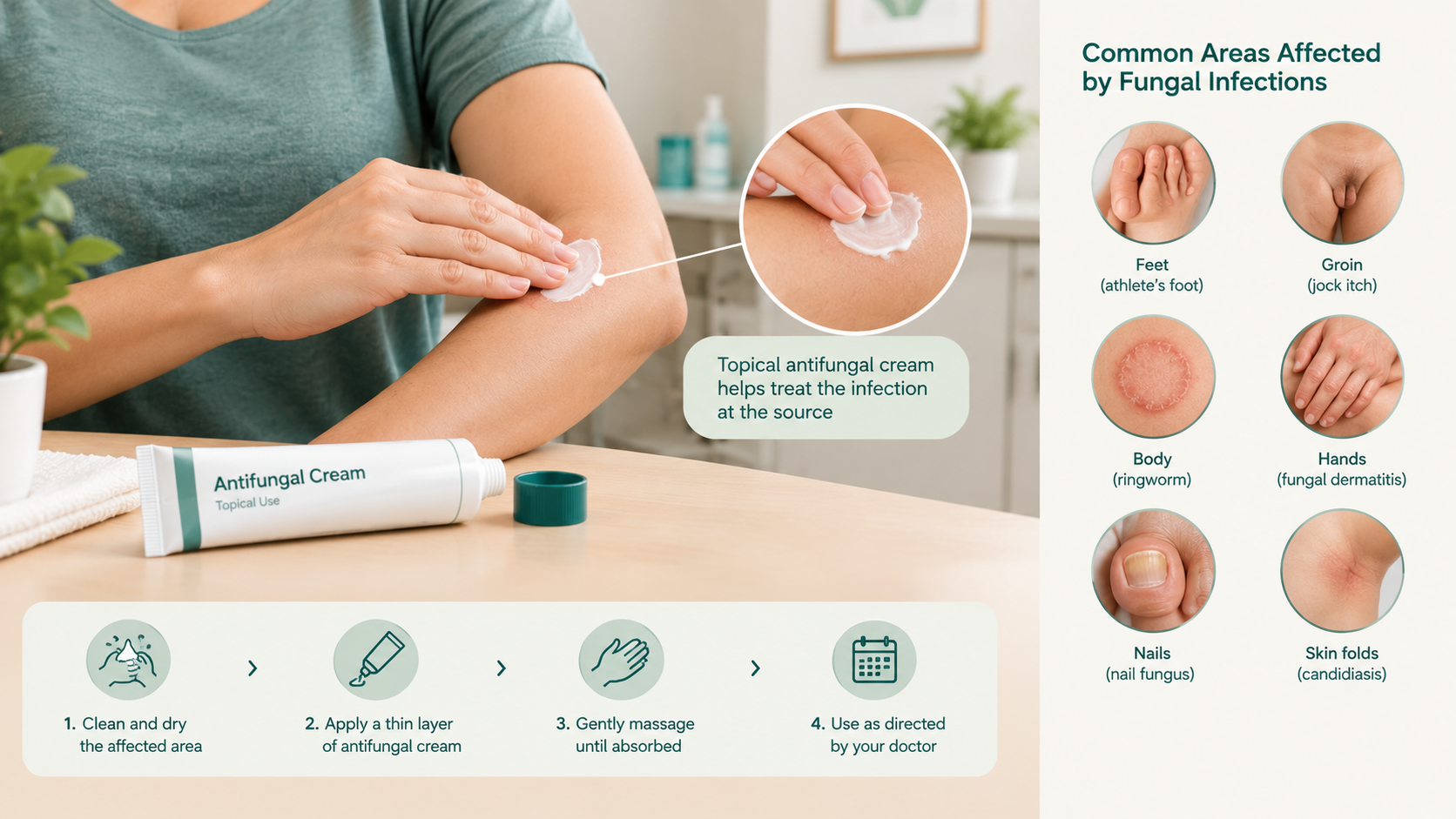
Topical and oral antifungal treatments refer to medications applied directly to the skin or taken orally to treat fungal infections. Topical treatments include creams, ointments, and lotions, while oral treatments are usually in the form of tablets or capsules.
Why is Antifungal Treatment Used?
Antifungal treatments are used to manage a variety of fungal infections affecting the skin, nails, and mucous membranes. These infections can cause discomfort, itching, and in some cases, lead to more severe complications if left untreated.
When is Antifungal Treatment Recommended?
Antifungal treatments are recommended when a patient is diagnosed with a fungal infection such as athlete’s foot, ringworm, yeast infections, or fungal nail infections. The choice between topical and oral treatments depends on the severity and location of the infection.
When is Antifungal Treatment Not Appropriate?
Antifungal treatments may not be appropriate for patients with certain medical conditions or those who are allergic to components of the medication. It is essential to consult a healthcare provider to ensure the treatment is safe and effective for the individual's specific needs.
How Does Antifungal Treatment Work?
Antifungal medications work by targeting the cell membrane of the fungus, inhibiting its growth, and eventually leading to its death. Topical treatments are applied directly to the affected area, while oral treatments work systemically to eliminate the infection from within.
What Happens During Antifungal Treatment?
During treatment, patients are advised to follow the prescribed regimen carefully. Topical treatments are usually applied once or twice daily, while oral medications are taken as directed by the healthcare provider. Regular follow-ups may be necessary to monitor progress and adjust treatment as needed.
Preparation for Antifungal Treatment
Before starting antifungal treatment, patients should inform their healthcare provider of any allergies, existing medical conditions, and current medications. This information helps in tailoring a safe and effective treatment plan.
Risks & Complications
While antifungal treatments are generally safe, they may cause side effects such as skin irritation, nausea, or headaches. It is important to report any adverse reactions to the healthcare provider immediately.
What to Expect After Treatment
After completing the treatment, most patients experience relief from symptoms and a reduction in infection. However, it is crucial to complete the entire course of medication to prevent recurrence.
Outcomes of Antifungal Treatment
Outcomes can vary depending on the type and severity of the infection, as well as the patient's adherence to the treatment plan. Most patients achieve successful resolution of symptoms with proper treatment.
Alternatives to Antifungal Treatment
In cases where antifungal treatments are not suitable, healthcare providers may explore alternative therapies or lifestyle modifications to manage symptoms.
About Dr. Y. Venkatesh
Dr. Y. Venkatesh is a Consultant Clinical & Aesthetic Dermatologist with expertise in treating fungal infections. With a focus on patient education and personalized care, Dr. Venkatesh ensures each patient receives the most appropriate treatment for their condition.
Consultation and Next Steps
If you suspect a fungal infection or have persistent symptoms, it is advisable to consult a specialist for accurate diagnosis and treatment options.
1. What are common side effects of antifungal treatments?
Common side effects include mild skin irritation for topical treatments and gastrointestinal discomfort for oral medications.
2. Can antifungal treatments be used during pregnancy?
It is essential to consult a healthcare provider before using antifungal treatments during pregnancy to ensure safety for both the mother and the unborn child.
3. How long does it take for antifungal treatments to work?
The duration varies depending on the infection type and severity, but most treatments show improvement within a few weeks.
4. Can antifungal treatments be used for all types of fungal infections?
Not all antifungal treatments are suitable for every type of infection. A healthcare provider can recommend the most appropriate treatment based on the specific infection.
Ready to book an appointment?
Consult with Dr. Y. Venkatesh.
Book an appointment